General Population Cohort (GPC)

GPC facilitates population-based research on diseases of public health importance in Uganda and the wider region, and vital demographic data on changing patterns of ill health in sub-Saharan Africa.

About us

Through a collaboration between the MRC and UVRI in 1989, the GPC was established in Kyamulibwa sub county, Kalungu district.
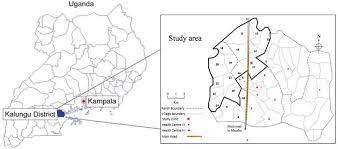
It comprises a population of around 22,000 people within 25 adjacent study villages. Its original aim was to study the epidemiology of HIV/ AIDS in the general population, and data from the GPC has made major contributions to our understanding of the changing patterns of HIV and informed policy and practice both in Uganda and internationally. Over time, research at the GPC has expanded to address scientific questions on other infectious diseases and non communicable diseases (NCDs), ranging from basic science, epidemiology, social science and intervention research.

The GPC is the source of rich longitudinal population and clinic data since. This data, as well as other demographic, epidemiological and genomic data from individual external projects, are extensively linked and shareable. This provides an important resource for future studies, and the Unit is actively increasing this data’s access.

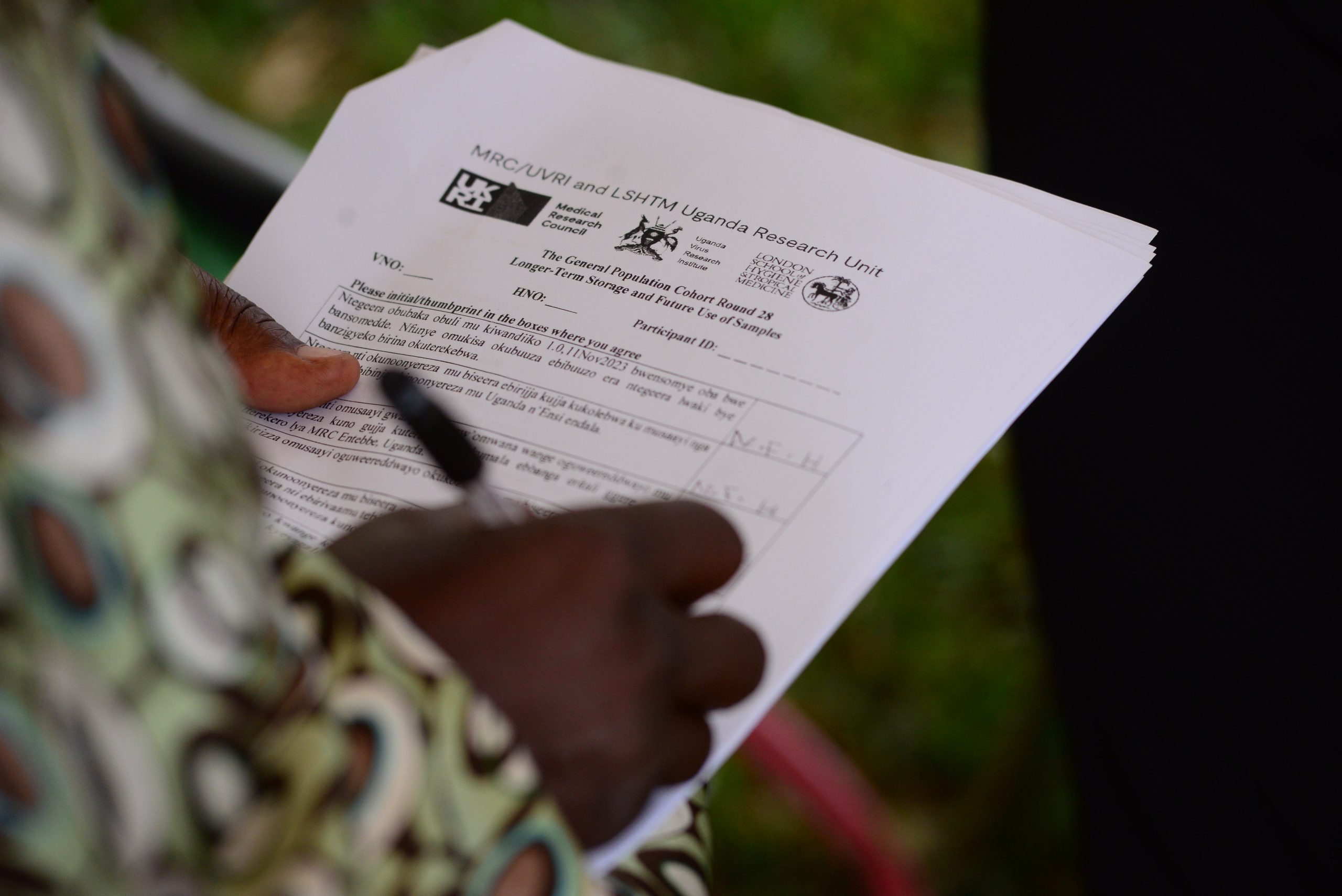
Similarly, we have long-term blood samples for every survey round since 1989, as well as samples from other projects. The samples are available for answering research questions for both Unit and external scientists; more than 40 papers have been published in the quinquennium, based on analyses of historical serum samples. These stored samples also make the GPC particularly attractive for future field research because they provide the ability to compare data historically.

The GPC provides a solid platform for population-based research, which has been crucial in improving our understanding of HIV. More recently, this dynamic structure proved critical in studies on community transmission and impact of SARS-COV2 (COVID-19). Thus, the GPC is not only a source of rich longitudinal data to do your data, but also a resource to embed numerous short-term externally funded studies. It supports all our research themes. 
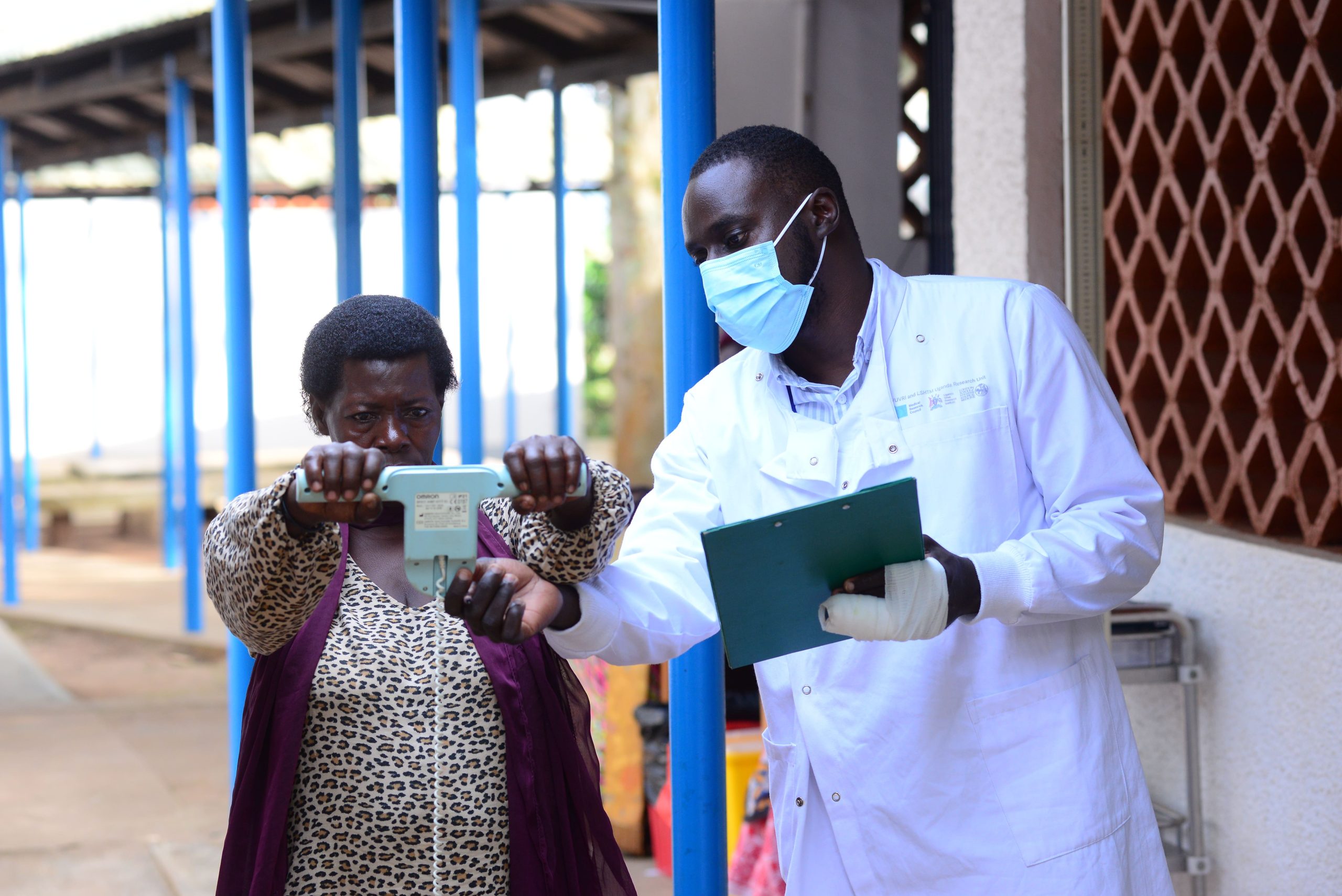
We have a total of 26 rounds whose data is readily available

Training

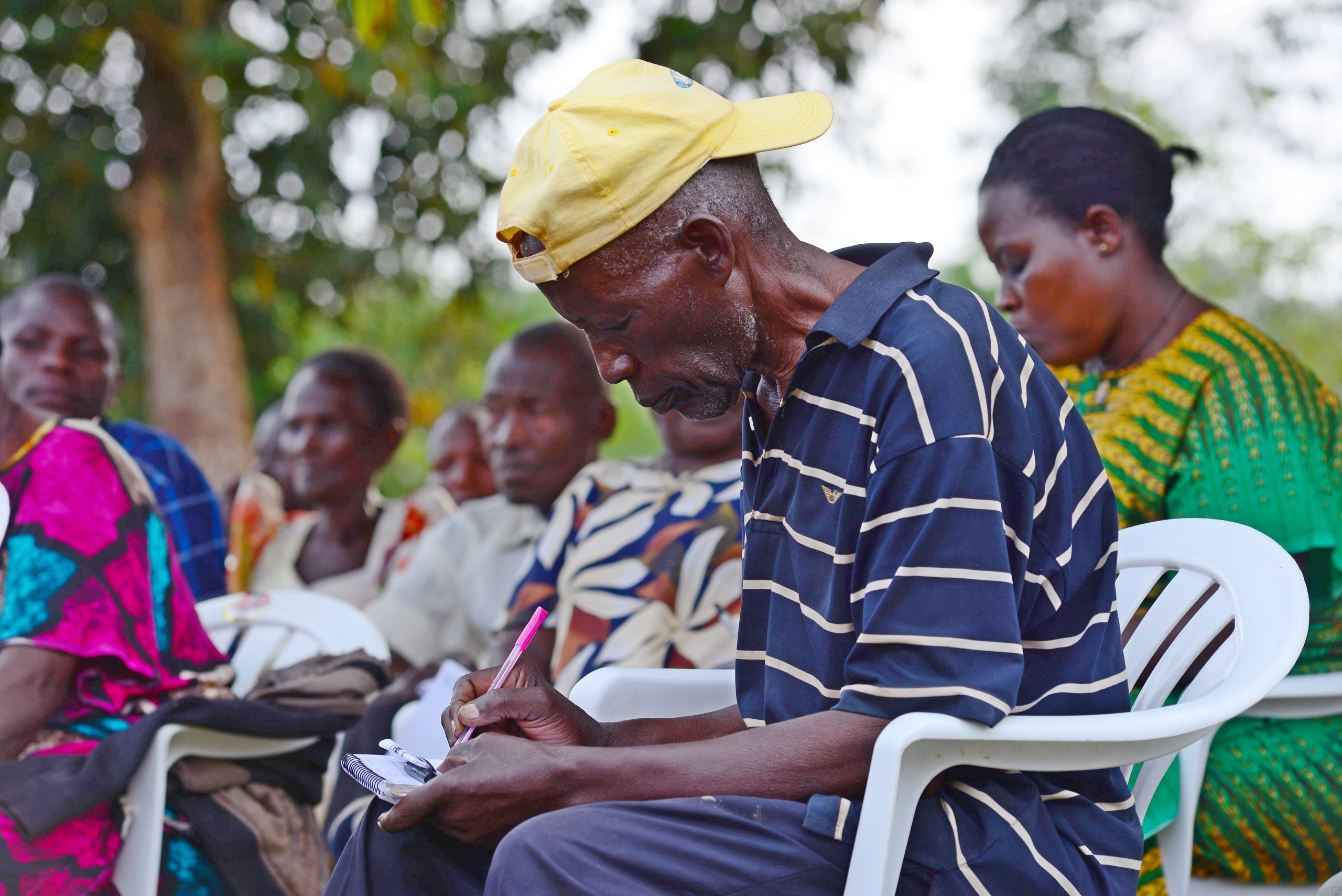
The GPC offers an excellent training environment. This includes in providing a platform for field activities, as well as the ability to utilize the rich data and extensive collection of samples already available. We have supported numerous MSc and PhD students over the years. Besides formal training, the GPC also provides staff and students unparalleled opportunity for on-the-job training in fieldwork and community engagement.

Resources

The GPC is the source of rich longitudinal population and clinic data since 1989. These data, as well as other demographic, epidemiological and genomic data from individual external projects, are extensively linked. These provide an important resource for future studies, and the Unit is actively increasing their access. Similarly, we have long-term blood samples for every survey round since 1989, as well as samples from other projects. The samples are available for answering research questions for both Unit and external scientists – more than 40 papers have been published in the quinquennium, based on analyses of historical serum samples. These stored samples also make the GPC particularly attractive for future field research because they provide the ability to compare data historically. The survey instruments used for each round can be found on the respective round’s page.

Infrastructure

A well-organized infrastructure offers the GPC a particular attraction. This includes office space, a study clinic and well-equipped clinical laboratory. The installation of solar panels on most buildings ensures that on-site research is uninterrupted and that resultant costs on energy are effectively managed. The Platform is supported with a small fleet of vehicles and motorcycles for field work. More importantly, the GPC has a well-trained staff with vast experience in field studies, data collection and management. The GPC works collaboratively with other platforms in the Unit, and is supported by the Unit’s Operations department, Research Support Office, Research Governance and Data and Statistics. We also have collaborations with the Ministry of Health, Makerere University and other institutions internationally.

Clinical care and research

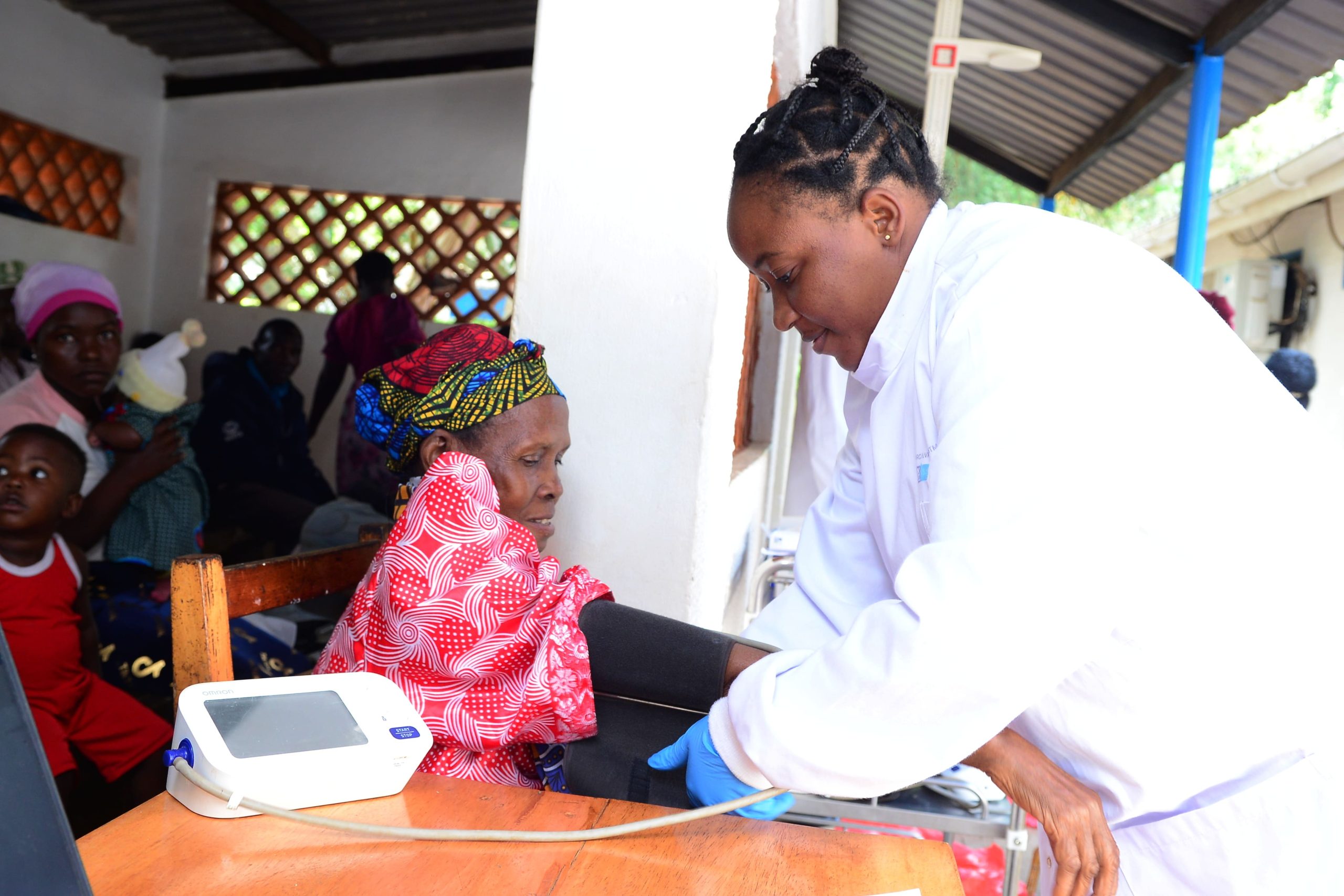
The GPC has a clinic that provides modest care for patients that come from the study villages. This is a free service and a contribution by the Unit to the community. The clinic has an average of 100 patients per day. In addition to the general service, the clinic is also a source for research activity. For example, we follow up patients with diabetes and hypertension to under[1]stand the natural course of disease and response to treatment. The clinic also hosts a specialized service to provide antiretroviral therapy to patients living with HIV. Resources for this service are provided by the Uganda government.

Field research

Field research constitutes the major part of our studies at the GPC and includes census (house to house demographic surveillance) and survey activities. We have conducted HIV surveys since 1989 to determine the prevalence and incidence of HIV. In recent years we have collected data on hepatitis B and C, NCDs, SARS COV2 and population genetic data. From the census, we have data births and deaths, including verbal autopsy.

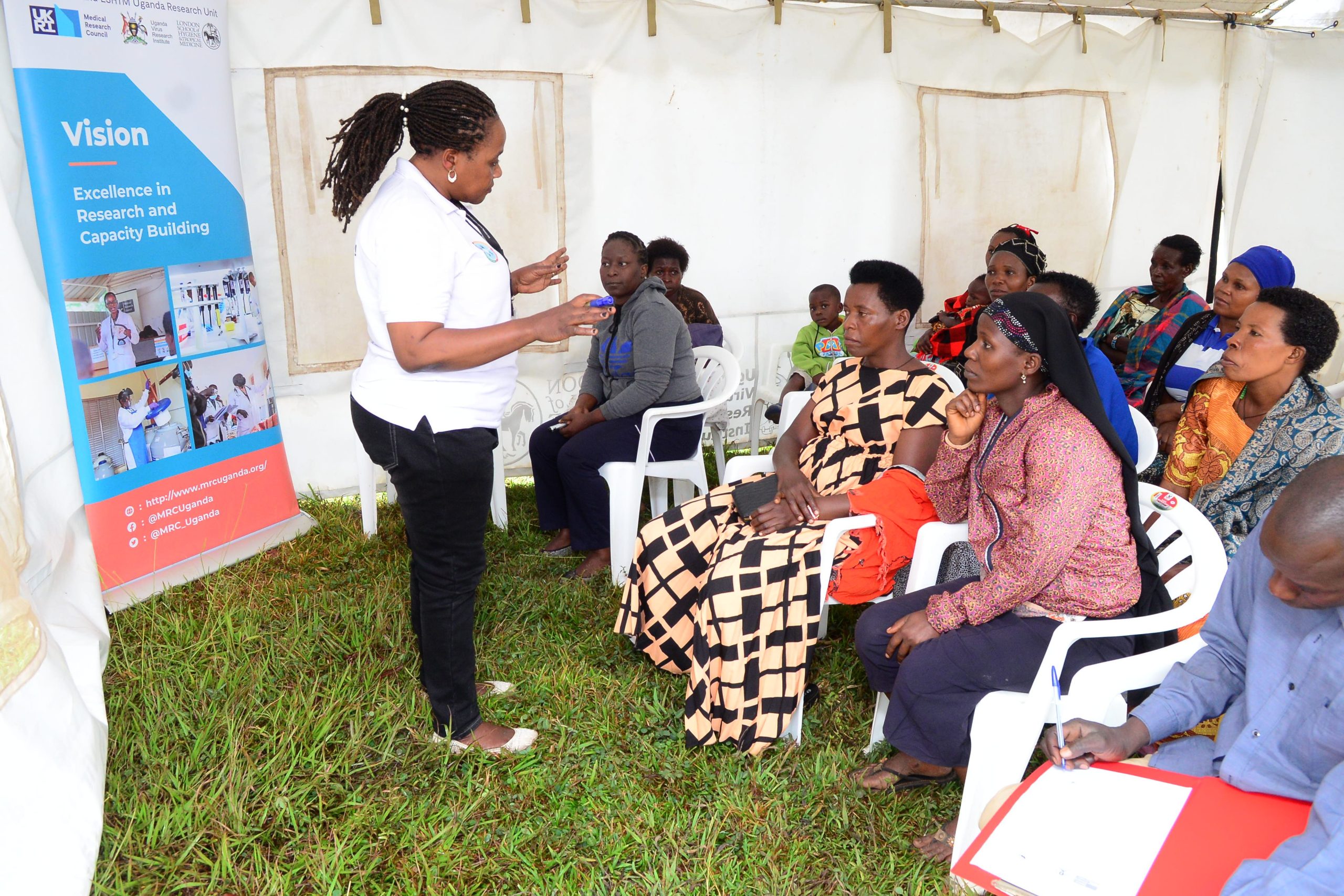
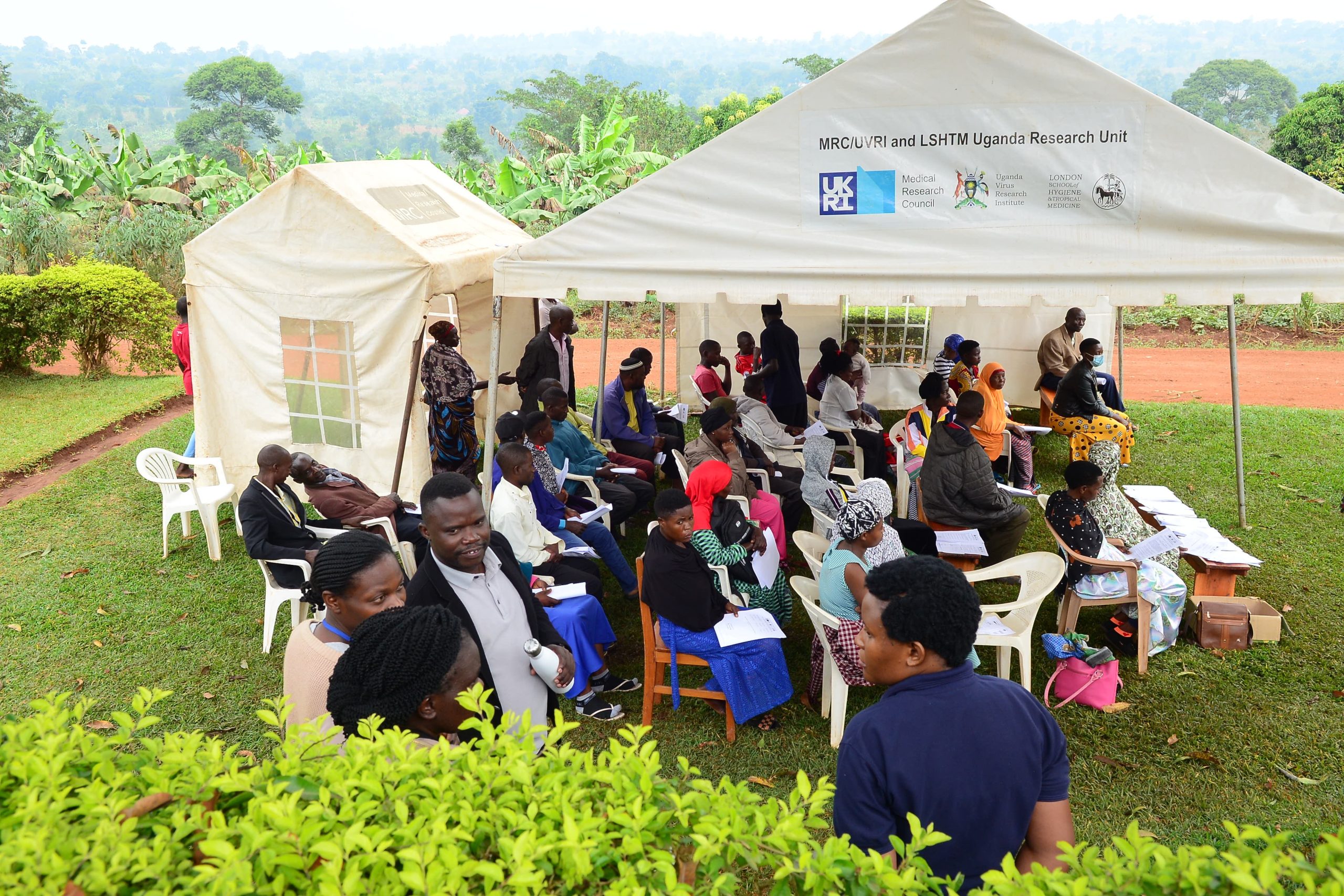
Census is currently conducted through ‘Field Research Hubs’ periodically set up at central locations within the 25 research villages. Their proximity in the communities has boosted participation in surveys and continues to be a cost effective means of attaining research targets.

Community engagement and mobilization

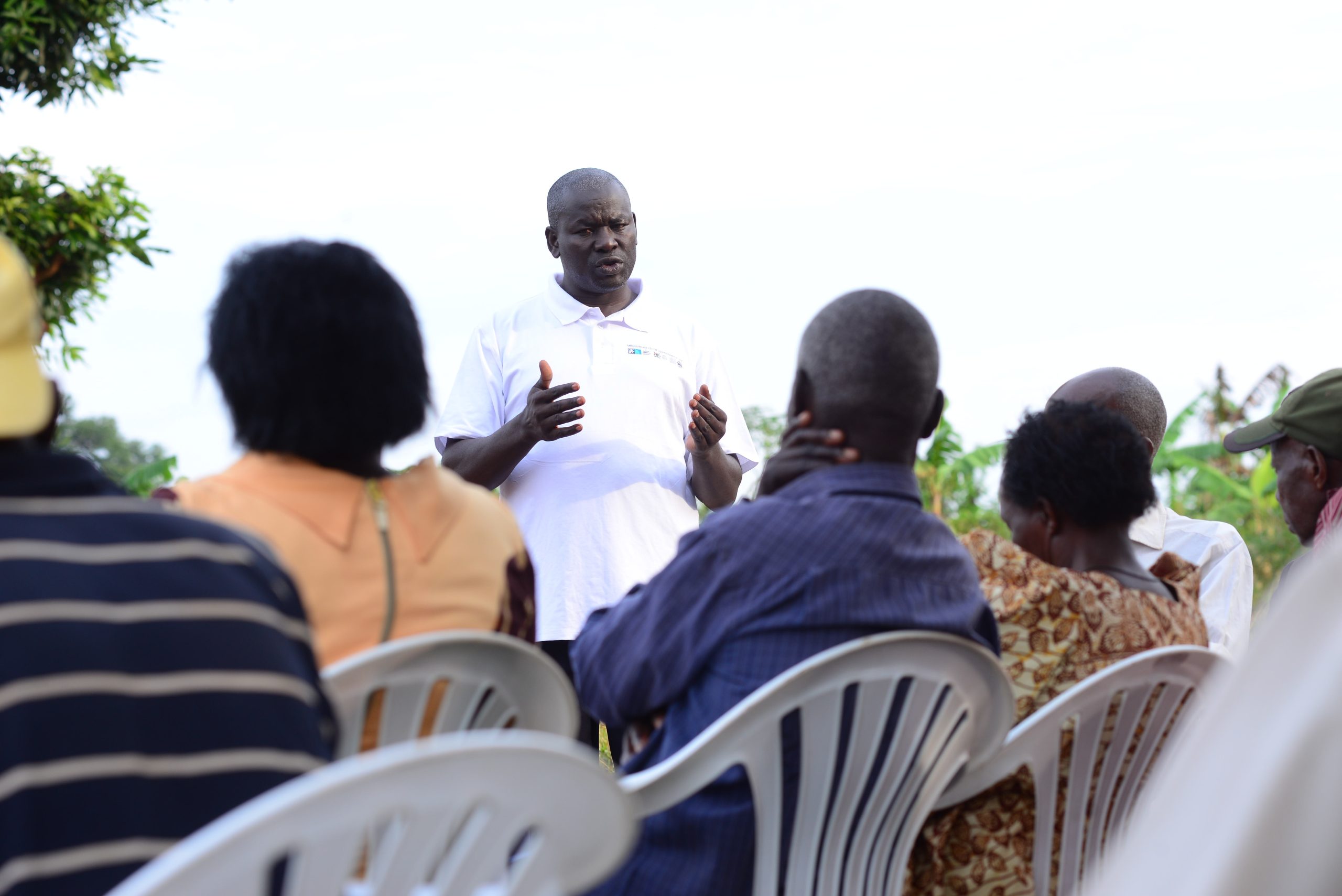
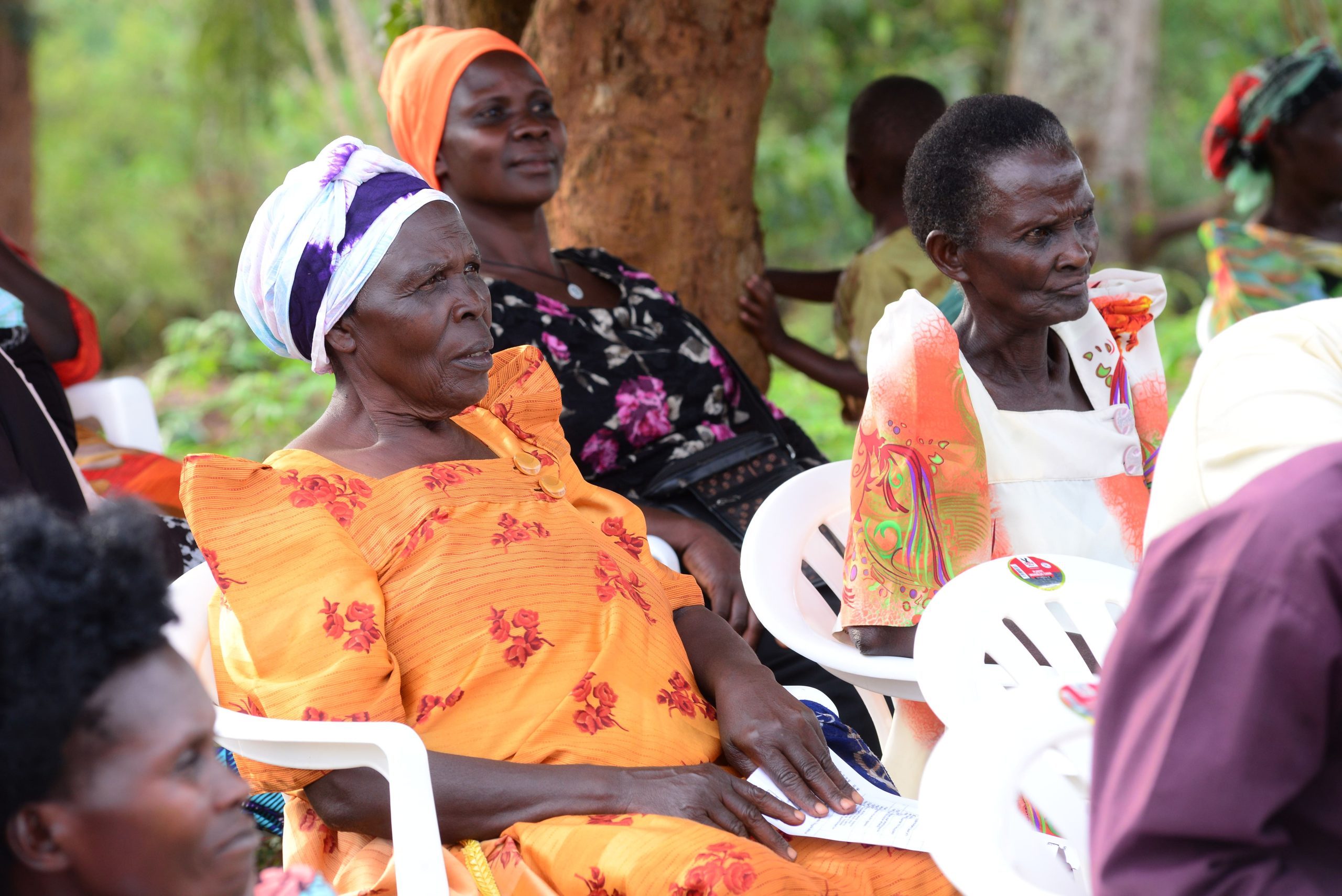
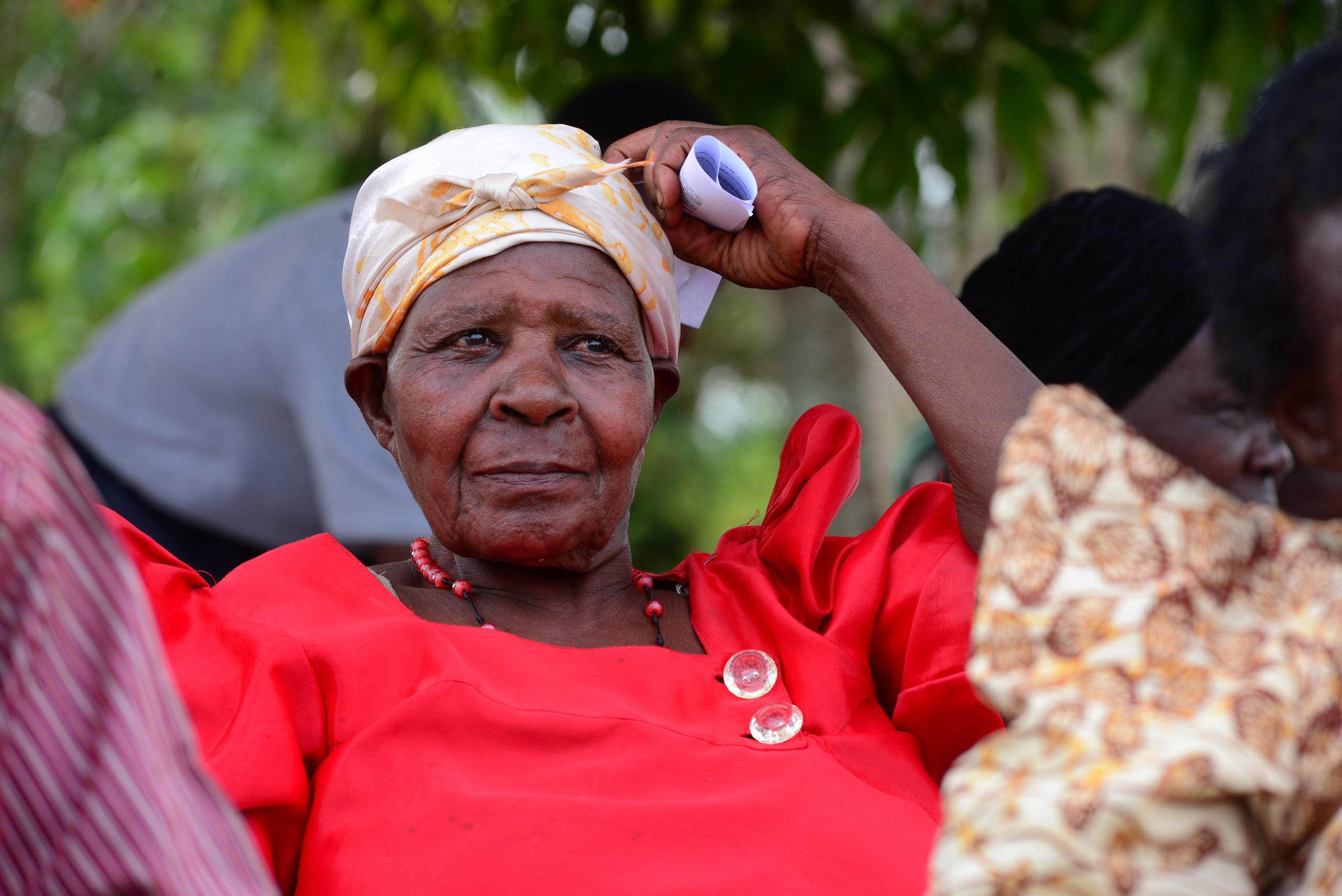
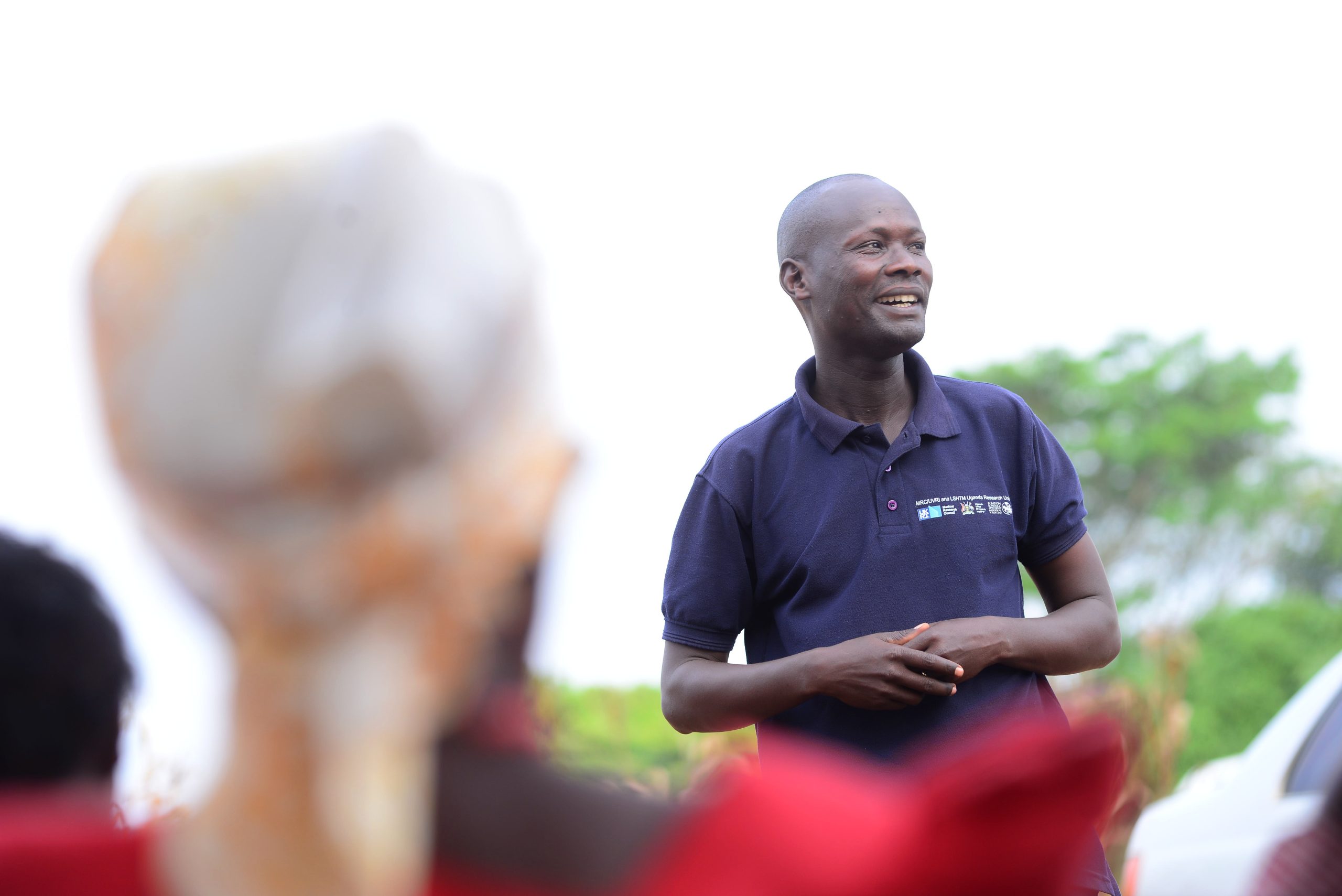
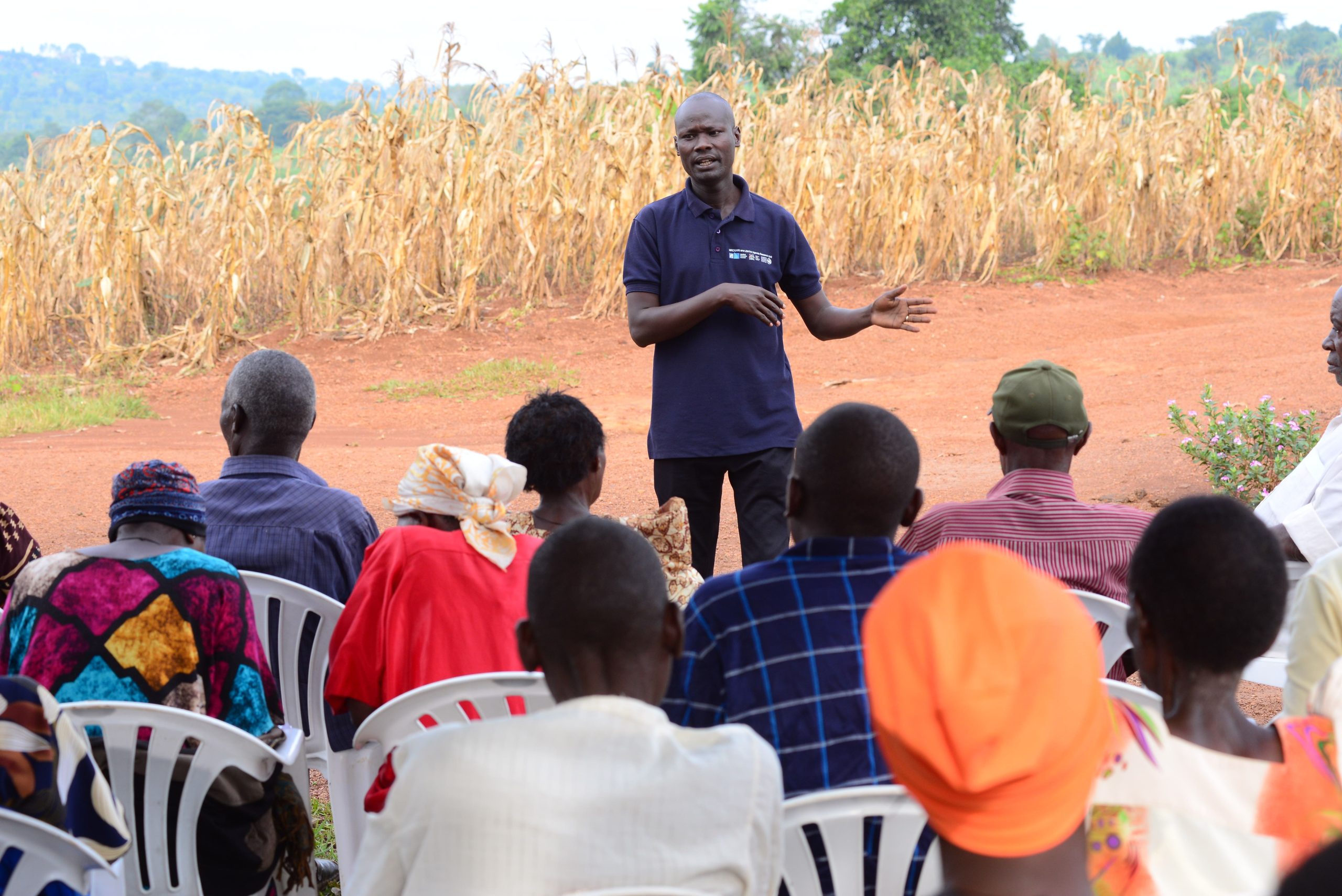
Community engagement is a major activity in the GPC and has contributed to its long existence and success. We have a well-organized structure to deliver engagement activities. For example, we have strong links with the authorities, including the District Health Officer. We have created an active Community Advisory Board, which facilitates our engagement with the community, especially in conducting sensitization and mobilization meetings. Many of our field staff are recruited from within the community and therefore know the local environment well; this enhances community understanding and participation in our research.

Description of the Kyamulibwa General Population Cohort Census and Medical surveys

A series of activities are conducted within the GPC platform at every medical survey round. Broadly, these include:

  • Community mobilization and mapping of the household structures
  • Annual house-to-house Census of households and individuals
  • The medical survey


i) Community mobilisation and mapping of households

The community mobilisation activity focuses on engaging with participants at both community and individual levels. The GPC setting covers 26 adjacent villages which are defined by Uganda’s subnational administrative boundaries, varying in size from 300 to 1500 residents. One pilot village enables pretesting of study tools and procedures. Local leaders (including members of the Local Government councils and Community Advisory Board) from these villages are sensitised on study plans and their permission and support is sought before holding community meetings. Each household which is mapped is assigned a unique identification number.

ii) Census

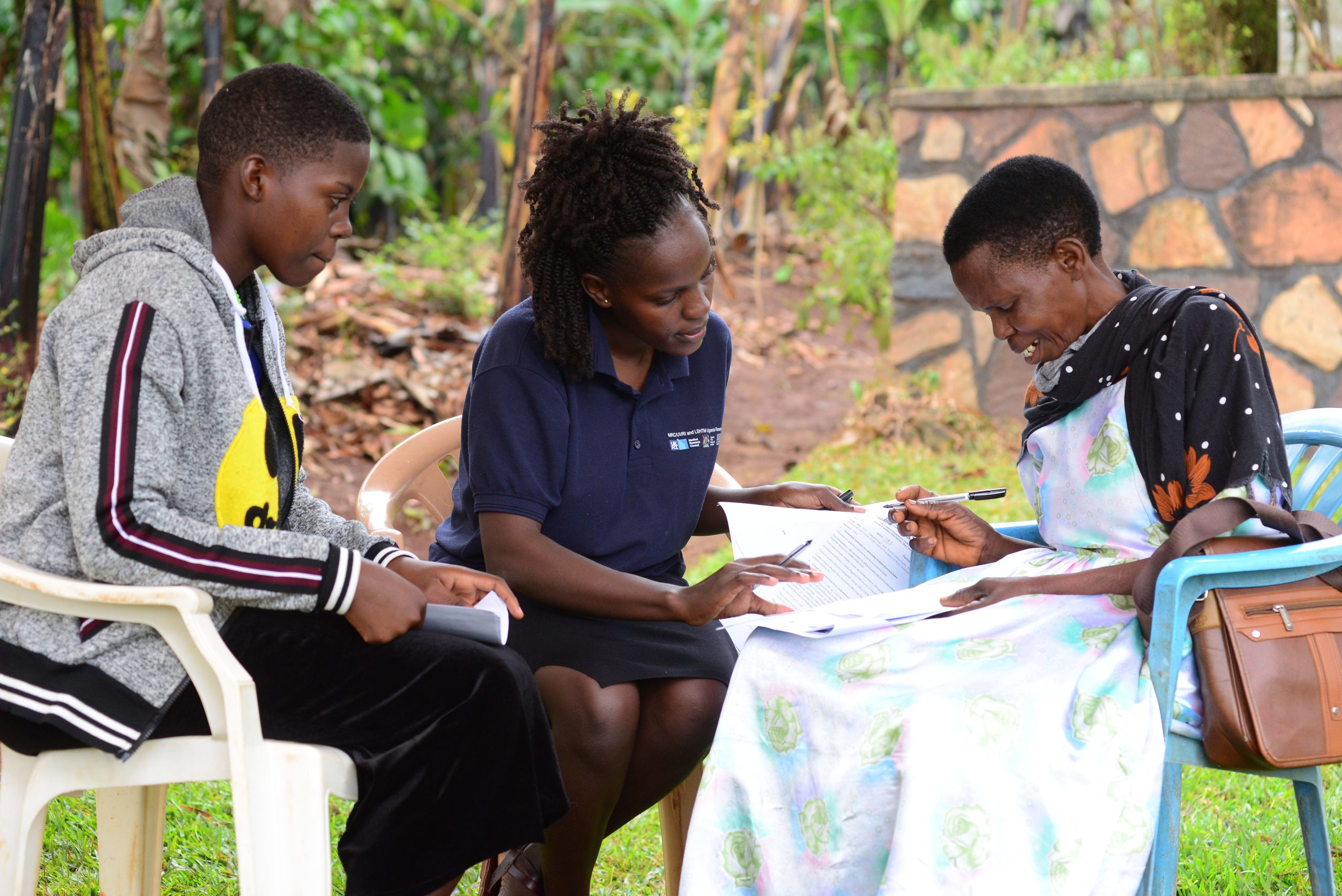
Every year, the Census assesses each household’s socioeconomic status, and the socio-demographic characteristics of the individuals within the household. Unique identification (ID) numbers were assigned to residents the first time they were surveyed and the same ID maintained over time in both the Census and Medical surveys. At every Census, newborns and new area residents are also assigned unique identification numbers. A census questionnaire is administered to a household head or an adult representative. Overall, over 96% of households approached for census consent and participate.

iii) Medical surveys

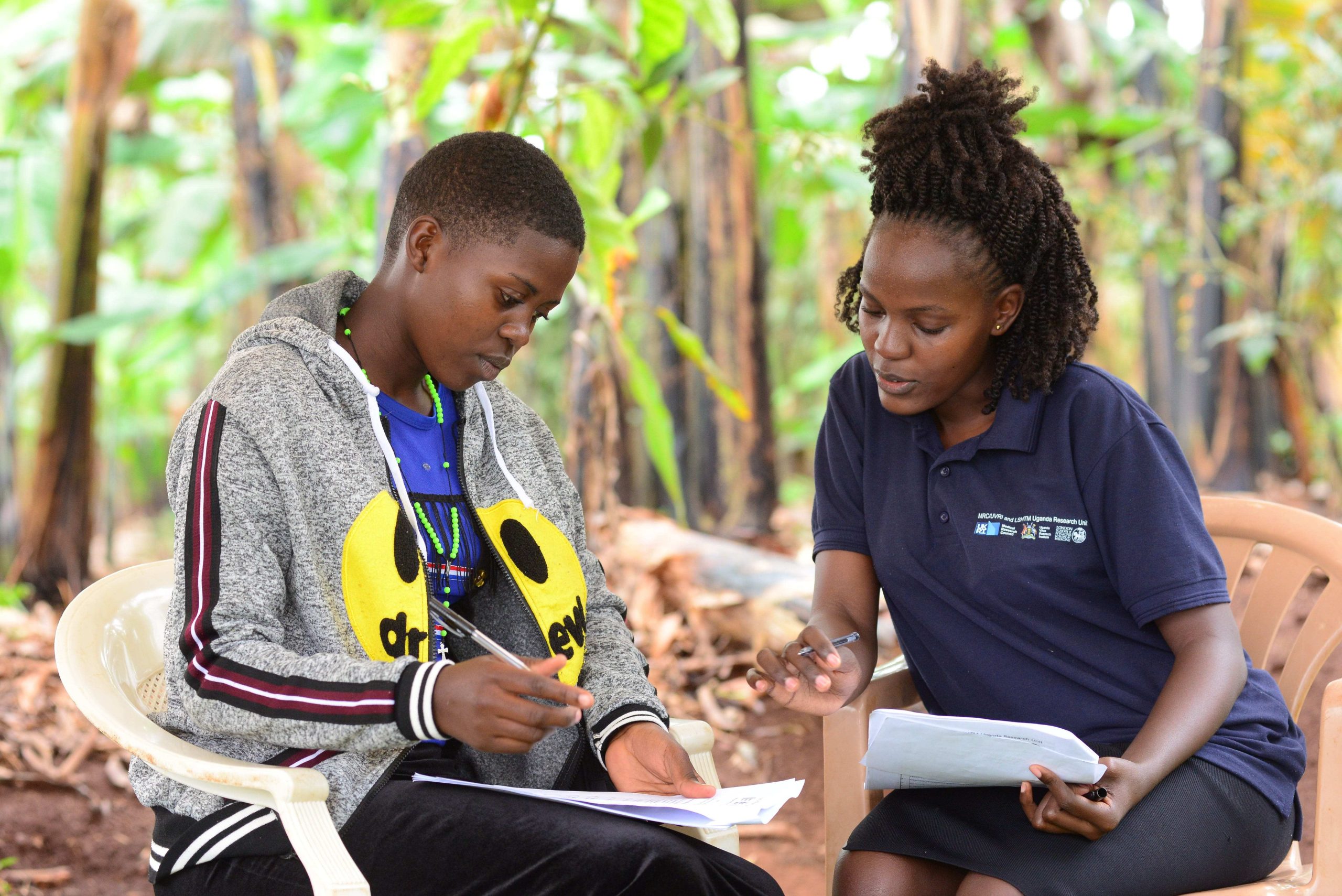
Based on the Census, eligible residents are invited to attend the Medical survey at a temporary village medical hub. The hubs are sequentially set up at a central location within each of the 26 villages. Eligible residents are defined by whether an individual spent or is planning to spend at least 3 months in a household within the study area. For each individual, data on health history, behaviour, and lifestyle are collected using a standard questionnaire while maintaining the same participant identification number used in the Census. Blood samples are also obtained and biophysical measurements taken in the same interview session. The questionnaire administered at each Medical survey round focuses on a particular scientific theme, and rounds are conducted every two years.

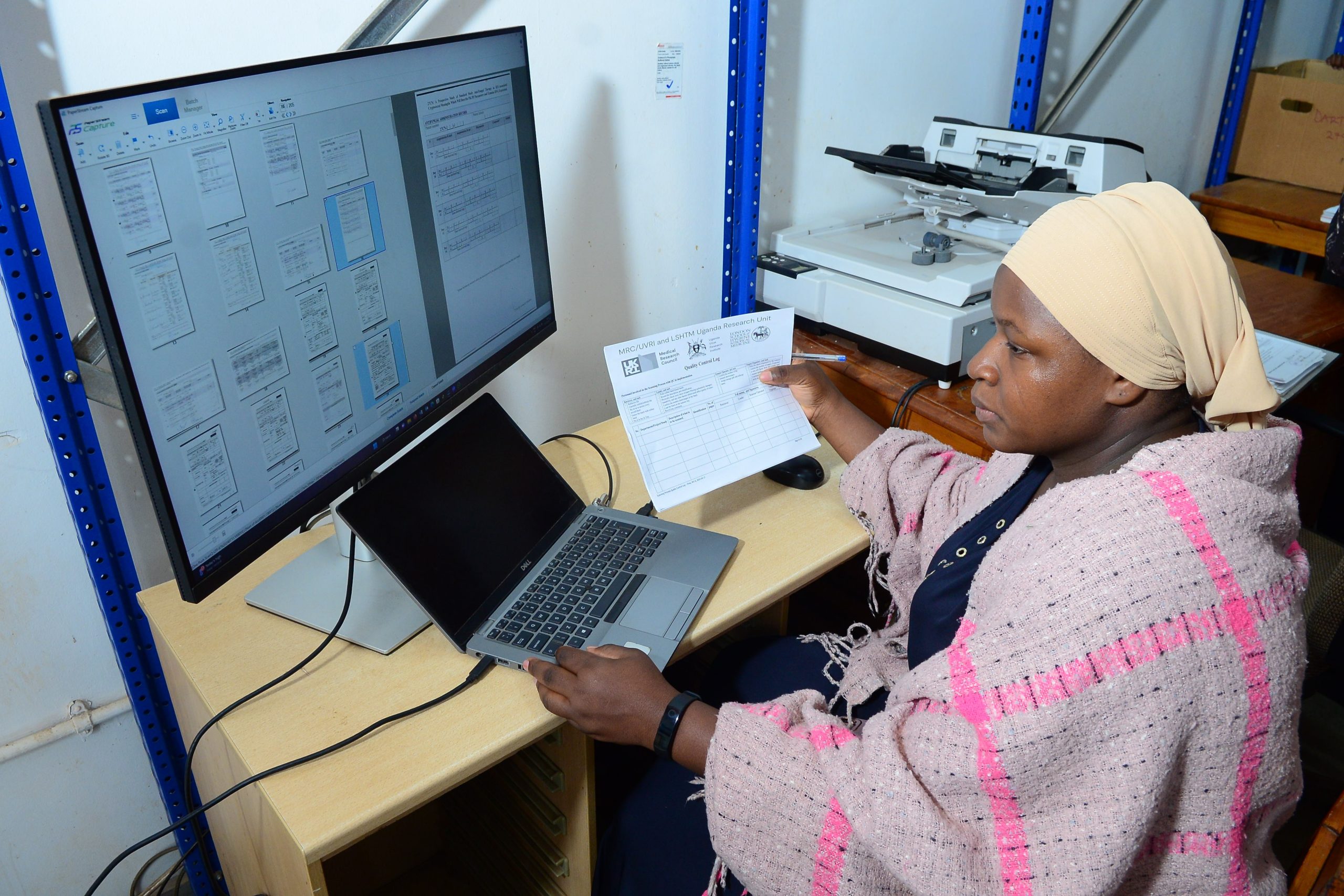
A robust infrastructure is in place for sample processing and storage, and data management. A clinic located at the field station provides general health care to all study participants who present with acute medical conditions (malaria and acute respiratory tract infections among others) and chronic diseases such as HIV, hepatitis B and C, hypertension, diabetes and dyslipidaemia identified during medical surveys.

Start and End dates of both GPC Census and Medical Survey 

CENSUS


MEDICAL SURVEY

Round

Start Date

End Date


Round

Start Date

End Date

R1CENS

01 JAN 1989

31 OCT 1990


R1AMED

06 DEC 1989

31 AUG 1990

R2CENS

07 NOV 1990

24 JUL 1991


R2AMED

28 NOV 1990

26 SEP 1991

R3CENS

21 NOV 1991

09 SEP 1992


R3AMED

09 DEC 1991

02 NOV 1992

R4CENS

16 NOV 1992

21 SEP 1992


R4AMED

09 DEC 1992

29 OCT 1993

R5CENS

15 NOV 1993

29 AUG 1994


R5AMED

08 DEC 1993

15 OCT 1994

R6CENS

16 NOV 1994

13 SEP 1995


R6AMED

06 DEC 1994

21 OCT 1995

R7CENS

24 NOV 1995

10 SEP 1996


R7AMED

07 DEC 1995

26 OCT 1996

R8CENS

12 NOV 1996

06 SEP 1997


R8AMED

10 DEC 1996

04 NOV 1997

R9CENS

18 NOV 1997

10 SEP 1998


R9AMED

05 DEC 1997

19 NOV 1998

R10CEN

05 NOV 1998

23 AUG 1999


R10AMED

02 DEC 1998

20 NOV 1999

R11CENS

04 NOV 1999

25 AUG 2000


R11AMED

09 DEC 1999

07 NOV 2000

R12CENS

06 NOV 2000

03 SEP 2001


R12AMED

28 NOV 2000

21 OCT 2001

R13CENS

19 NOV 2001

21 AUG 2002


R13AMED

07 JAN 2002

13 OCT 2002

R14CENS

06 NOV 2002

22 AUG 2003


R14AMED

11 DEC 2002

01 NOV 2003

R15CENS

04 NOV 2003

25 AUG 2004


R15AMED

10 DEC 2003

26 OCT 2004

R16CENS

09 NOV 2004

01 SEP 2005


R16AMED

08 DEC 2004

28 OCT 2005

R17CENS

14 NOV 2005

07 SEP 2006


R17AMED

16 DEC 2005

08 NOV 2006

R18CENS

27 OCT 2006

25 SEP 2007


R18AMED

14 DEC 2006

23 OCT 2007

R19CENS

06 NOV 2007

03 NOV 2008


R19AMED

03 DEC 2007

15 OCT 2008

R20CENS

11 NOV 2008

02 SEP 2009


R20AMED

11 DEC 2008

29 OCT 2009

R21CENS

18 NOV 2009

17 SEP 2010


R21AMED

14 DEC 2009

27 OCT 2010

R22CENS

11 NOV 2010

07 OCT 2011


R22AMED

07 JAN 2011

29 NOV 2011

R23CENS

23 JAN 2012

14 DEC 2012


R23AMED

08 FEB 2012

12 NOV 2013

R24CENS

22 JAN 2013

04 DEC 2013


R24AMED

16 JAN 2014

13 NOV 2015

R25CENS

14 JAN 2014

17 DEC 2014


R25CMED

02 MAR 2016

07 AUG 2018

R26CENS

12 JAN 2014

11 NOV 2015


R26AMED

25 JUN 2019

13 JUL 2021

R27CENS

03 JAN 2016

04 DEC 2017


R27AMED

JAN 2022

FEB 2024

R28CENS

03 AUG 2017

15 NOV 2018


R28AMED

AT INCEPTION


R29CENS

11 JUN 2019

07 JUL 2021


R30CENS

DEC 2021

OCT 2023


R31CENS

AT INCEPTION